
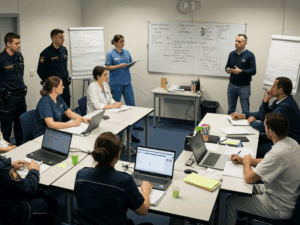
Independent Death Reviews Help Correctional Facilities Turn Critical Events Into System Improvement
Every death in custody warrants careful review. Beyond determining what happened in an individual case, a well-conducted mortality review can identify opportunities to strengthen clinical practices, custody procedures, emergency response,
From the Field: Modernizing Jail Health Care and Safety
Jails face a unique challenge: providing safe, effective health care to individuals who may arrive with urgent medical, mental health, and substance use needs. A new article in Correctional News
NCCHC Resources Becomes a Federally Listed Patient Safety Organization
Working with a federally listed PSO means confidentiality and privilege for qualifying patient safety work product.
From Assessment to Action: Strengthening Jail Health Care
Improving correctional health care often begins with understanding what is working well, where gaps exist, and which changes will have the greatest impact on patient care and safety. NCCHC Resources
Beyond the Incident: Improving Correctional Health Care Through In-Custody Death Reviews
Every in-custody death is a tragedy. It also presents an opportunity to examine what happened, identify opportunities for improvement, and strengthen practices that can help prevent future deaths.
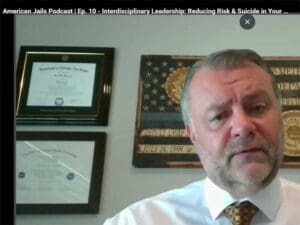
Interdisciplinary Leadership: Reducing Risk & Suicide in Your Jail
What does it take to create safer, more effective jails? NCCHC Resources Managing Director Fred Meyer, MA, CJM, CCHP, and Ashley Brinkman, PhD, LPC, CCHP, join AJA Executive Director Chris

Suicide Prevention Among Correctional Health Care Professionals
As Mental Health Month nears its end, we should take a few moments to consider the challenges faced by our peers and coworkers who dedicate themselves to caring for others.

From Intake to Reentry: Rethinking Mental Health Care in Custody
May is Mental Health Awareness Month, and this year’s theme, “More Good Days, Together,” has stayed with me throughout my travels in 2026. NCCHC has attended more regional conferences this